
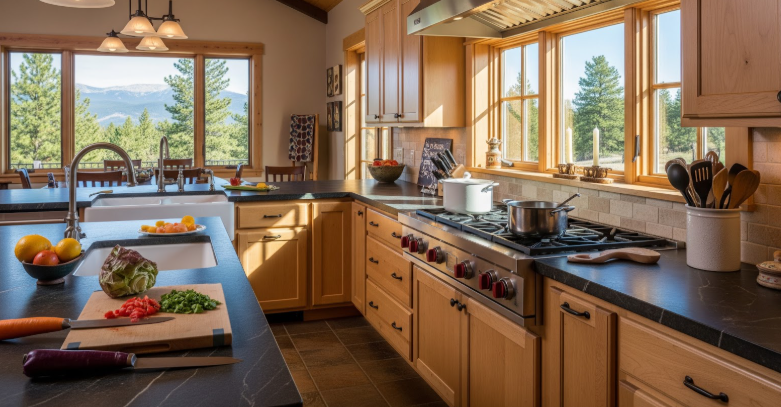
Why Countertop Stains Are Such a Common Kitchen Problem
Kitchens are the heart of the home, but they’re also one of the busiest and messiest spaces. In Montana households, where cooking, entertaining, and family gatherings happen year-round, countertops see constant use. Coffee spills, cooking oils, sauces, wine, and everyday food prep can quickly leave marks if surfaces aren’t chosen or cared for properly. Preventing stains isn’t about being overly careful — it’s about understanding how to protect your investment while keeping the kitchen comfortable and practical.
Many homeowners assume stains are unavoidable, but that isn’t always true. The right countertop material, paired with smart daily habits, can dramatically reduce the risk of permanent marks. Understanding how stains happen is the first step toward preventing them.
At Missoula Floors, homeowners often learn that countertop performance depends just as much on lifestyle as it does on design. A kitchen that handles heavy daily use needs surfaces that balance beauty with resilience, especially in homes where cooking is a daily event rather than an occasional task.
This guide breaks down practical ways to prevent stains in high-use kitchens, focusing on material choices, cleaning habits, and design decisions that support long-term durability. Whether your kitchen is the center of family life or a hub for entertaining, these tips help keep countertops looking fresh and stylish for years.
Understanding What Actually Causes Countertop Stains
Before learning how to prevent stains, it helps to understand what creates them in the first place. Not all spills behave the same way, and certain substances are more likely to leave lasting marks.
Porous vs Non-Porous Surfaces
Some countertop materials naturally absorb liquids, while others resist penetration. Porous surfaces can allow oils or pigments to seep in if spills aren’t cleaned quickly, which leads to discoloration over time.
Acidic Foods and Liquids
Items like lemon juice, vinegar, tomatoes, and wine can react with certain surfaces. These reactions may cause dull spots or staining if left sitting too long.
Oils and Grease
Cooking oils are especially tricky because they can slowly soak into unsealed materials, leaving darker patches that become difficult to remove.
Heat and Moisture Combination
Hot pans combined with moisture can sometimes weaken protective seals, making countertops more vulnerable to stains later.
Understanding these causes helps homeowners make smarter choices about both materials and everyday care.
Choosing the Right Countertop Material for Stain Resistance
Not all countertops perform the same in busy kitchens. Some materials naturally resist stains better, making them ideal for families who cook often or entertain regularly.
Quartz: A Popular Low-Maintenance Option
Quartz is non-porous, which means liquids stay on the surface rather than soaking in. This makes it one of the easiest materials to maintain in high-use kitchens.
Granite: Durable With Proper Sealing
Granite offers natural beauty and strength, but it benefits from periodic sealing to maintain stain resistance. With proper care, it performs well even in busy spaces.
Solid Surface Materials
These countertops provide a smooth, uniform look and resist many common kitchen stains, making them practical for everyday use.
Porcelain and Modern Surfaces
Porcelain countertops are becoming more popular because they resist heat, stains, and scratches while offering sleek, contemporary style.
Homeowners exploring durable countertops often find that selecting the right material upfront reduces maintenance stress later.
Daily Habits That Prevent Stains Before They Start
The easiest way to avoid countertop stains is through simple daily routines. These habits don’t require extra effort — just consistency.
Wipe Spills Quickly
Even stain-resistant surfaces benefit from quick cleanup. The sooner spills are removed, the less chance they have to leave marks.
Use Cutting Boards and Trays
Cutting directly on countertops can cause scratches that trap dirt or liquids. Using boards helps protect both appearance and finish.
Keep Oils and Sauces Contained
Placing bottles on trays or mats helps prevent drips from sitting unnoticed on the surface.
Avoid Leaving Wet Items Overnight
Damp dishcloths or containers left on countertops can create moisture spots over time.
Small habits like these help maintain a clean, polished look without changing how you use your kitchen.
Cleaning Products and Techniques That Protect Surfaces
Cleaning plays a major role in stain prevention, but using the wrong products can actually cause damage. Choosing gentle, effective methods helps maintain both appearance and durability.
Use Mild, Non-Abrasive Cleaners
Harsh chemicals can weaken protective finishes. Gentle cleaners designed for kitchen surfaces are usually the safest option.
Soft Cloths Over Rough Scrubbers
Microfiber or soft cloths remove dirt without scratching the surface, helping preserve shine.
Avoid Bleach and Strong Acids
These can dull or damage certain countertop finishes, making them more prone to staining later.
Warm Water and Soap for Daily Care
Often, simple soap and water are enough for everyday cleaning and help prevent buildup that leads to discoloration.
Consistent, gentle cleaning keeps countertops looking fresh while extending their lifespan.
Designing a Kitchen That Naturally Reduces Stain Risks
Smart design choices can make stain prevention easier without changing how the kitchen looks or functions.
Add Prep Zones
Designating specific areas for food preparation helps contain messes and reduces widespread spills.
Choose Matte or Textured Finishes
Slight texture can help disguise minor marks and fingerprints, keeping surfaces looking cleaner between cleanings.
Include Backsplashes That Protect Work Areas
Backsplashes reduce splatter near sinks and cooking zones, helping keep countertops cleaner.
Consider Colour and Pattern
Medium tones or subtle patterns often hide minor stains better than very light or extremely dark surfaces.
Good design supports easy maintenance while keeping the kitchen visually appealing.
Common Mistakes That Lead to Permanent Countertop Stains
Many countertop issues come from habits homeowners don’t even realize are causing damage. Avoiding these mistakes helps protect your investment.
Letting Spills Sit Too Long
Even durable materials can stain if spills are ignored for extended periods.
Skipping Sealing When Needed
Natural stone surfaces rely on proper sealing to maintain protection.
Using Harsh Cleaning Tools
Steel wool or abrasive pads can create tiny scratches that trap dirt and liquids.
Placing Hot Cookware Directly on Surfaces
Heat can weaken finishes, making countertops more vulnerable over time.
Being aware of these habits helps homeowners maintain beautiful surfaces without extra effort.
Seasonal Tips for Montana Kitchens
Montana’s climate can influence how kitchens function throughout the year. Seasonal changes affect moisture levels, cooking habits, and daily routines.
Winter Cooking and Heavy Use
Holiday cooking and comfort meals often mean more spills. Keeping cleaning supplies nearby makes quick wipe-downs easier.
Spring Refresh Cleaning
Seasonal deep cleaning helps remove buildup that may contribute to staining over time.
Summer Entertaining
Outdoor gatherings and fresh produce prep increase countertop use. Using trays and serving boards helps protect surfaces.
Fall Prep and Organization
Reorganizing kitchen zones before winter helps maintain clean, efficient workspaces.
Adjusting habits slightly with the seasons keeps countertops looking their best year-round.
Keeping High-Use Kitchens Beautiful for Years to Come
Preventing countertop stains doesn’t require complicated routines or constant worry. It comes down to choosing durable materials, building simple habits, and designing a kitchen that supports real-life use. When countertops are selected with lifestyle in mind, they continue looking stylish and fresh even in the busiest homes.
A high-use kitchen should feel inviting, not fragile. With thoughtful care and smart design decisions, countertops can handle daily cooking, family gatherings, and everyday life while maintaining their beauty. The goal isn’t perfection — it’s creating a space that feels easy to live in and easy to maintain.
If you’re planning a kitchen update and want expert guidance tailored to your home, we are here to help. A knowledgeable team can help you choose surfaces that combine durability, style, and long-term value.