
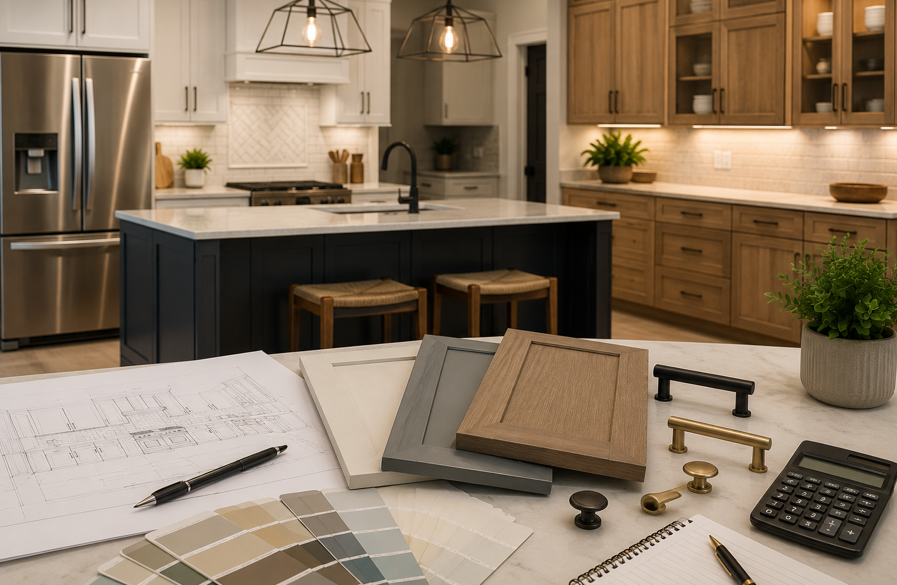
A kitchen cabinet remodel can make one of the biggest visual changes in your home. Cabinets shape the layout, storage, style, and everyday function of the kitchen, so it makes sense that homeowners want the finished result to feel beautiful, practical, and built to last.
For Montana homes, the planning stage matters just as much as the design itself. A kitchen in Missoula may need efficient storage for a busy family. A Stevensville or Hamilton home may lean toward rustic wood tones and warm finishes. A Polson lake home may call for lighter colors and an open, relaxed feel. The right cabinet plan helps you get the look you want without stretching the budget too far.
At Missoula Floors, homeowners can explore cabinet options with guidance that fits real Western Montana homes, from mountain-modern kitchens to cozy family spaces and cabin-inspired remodels.
The goal is simple: make smart choices early, understand where your money is going, and choose cabinet features that add lasting value.
Start With a Clear Remodel Goal
Before looking at cabinet colors, door styles, or hardware finishes, start with the reason for the remodel.
Are your current cabinets worn, poorly laid out, lacking storage, or simply not your style anymore? Are you trying to create a brighter kitchen, improve daily organization, or update the home before selling? Your answer can shape the entire budget.
A cabinet remodel can focus on several goals:
Better storage
Updated cabinet style
Improved kitchen workflow
More durable materials
A brighter, more open feel
A better match with countertops and flooring
Higher home appeal
A full cabinet replacement may not always be the only option. Some homes benefit from new cabinet boxes and doors. Others may only need new doors, hardware, or layout changes in key areas.
For example, a Missoula homeowner with solid cabinet boxes but dated doors may be able to focus the budget on fronts, hardware, and finishes. A Hamilton homeowner dealing with a poor layout may need a more complete cabinet redesign to improve how the kitchen works.
A clear goal keeps the project focused. Without one, it becomes easy to add features that look appealing but do not solve the main issue.
Set a Realistic Cabinet Budget Early
A kitchen cabinet remodel has several cost layers. The visible cabinet doors are only one part of the project.
Your budget may include:
Cabinet boxes
Doors and drawer fronts
Drawer glides
Hinges
Hardware
Interior storage features
Trim and moulding
Installation
Removal of existing cabinets
Countertop adjustments
Plumbing or electrical changes
Wall repairs or painting
It helps to think in categories. Start with the total amount you are comfortable investing, then break it into essentials, design upgrades, and optional extras.
Essentials include the items needed for function and durability. Design upgrades may include premium finishes, decorative end panels, crown moulding, soft-close hardware, or custom storage. Optional extras may include glass doors, specialty pull-outs, built-in lighting, or decorative features.
A practical budget also includes a cushion for surprises. In older homes across Western Montana, remodels can reveal uneven walls, worn flooring under cabinets, plumbing adjustments, or small repair needs. Planning for a little flexibility helps the project stay manageable.
A good rule is to spend where it improves daily use and long-term durability. Save on details that are decorative but not central to how the kitchen functions.
Know What Drives Cabinet Remodel Costs
Not all cabinet remodels cost the same. Understanding the main cost drivers helps homeowners make better choices.
The biggest factors usually include cabinet size, material, construction type, finish, layout changes, and installation complexity.
A larger kitchen naturally requires more cabinets, doors, drawers, panels, and hardware. More drawers can also increase cost because drawer systems use more components than standard cabinet doors.
Material choice matters as well. Solid wood doors, quality plywood boxes, durable finishes, and strong drawer glides can cost more upfront, but they often provide better long-term value.
Layout changes can also affect the budget. Keeping the existing kitchen footprint is usually more budget-friendly than moving plumbing, appliances, walls, or electrical outlets. If the current layout works well, keeping the major elements in place can free up more budget for cabinet quality, storage, and style.
Details can add up quickly. Decorative panels, glass doors, stacked cabinets, custom range hoods, pull-out organizers, and specialty inserts all add beauty and convenience, but each one affects the final cost.
That does not mean you need to avoid upgrades. It means choosing them intentionally. A few well-selected upgrades can make the kitchen feel customized without pushing the project beyond your comfort zone.
Decide Between Stock, Semi-Custom, and Custom Cabinets
Cabinet type has a major impact on budget.
Stock cabinets are pre-made in standard sizes and styles. They can be a good fit for straightforward kitchens where standard dimensions work well. The selection may be more limited, but they can provide a clean, updated look.
Semi-custom cabinets offer more flexibility. Homeowners may be able to choose from more door styles, finishes, sizes, and storage options. This can be a strong middle-ground choice for many Montana kitchens because it balances personalization with practical value.
Custom cabinets are built to fit the exact space and design goals. They offer the highest level of flexibility, especially for unusual layouts, historic homes, cabins, or kitchens where every inch matters. They also tend to require a larger investment.
For many homeowners, semi-custom cabinetry offers the best balance. It allows enough design flexibility to create a polished, personalized kitchen while keeping the project more controlled than a fully custom build.
Think about your home’s layout. If the kitchen has standard dimensions and a simple footprint, stock or semi-custom may work beautifully. If the home has angled walls, unusual ceiling heights, or highly specific storage needs, custom cabinetry may be worth considering.
The best choice depends on your space, goals, and how long you plan to stay in the home.
Keep the Existing Layout When It Makes Sense
One of the most effective ways to manage a cabinet remodel budget is to keep the kitchen layout mostly the same.
Changing the location of sinks, ranges, refrigerators, dishwashers, vents, and electrical outlets can add cost. It may also extend the project timeline. If the current layout already works well, keeping the main footprint can help you invest more in cabinet quality, storage, and finishes.
That said, keeping the layout does not mean keeping every detail the same. You can still improve function with smart cabinet changes.
For example:
Replace lower doors with deep drawers.
Add a pantry cabinet where open space allows.
Use pull-out shelves in hard-to-reach areas.
Add vertical dividers for trays and cutting boards.
Choose better drawer glides and soft-close hinges.
Improve corner cabinet access.
Add a built-in trash and recycling pull-out.
These changes can make the kitchen feel much more efficient without moving the entire layout.
In Montana homes where kitchens often serve as a central gathering place, workflow matters. A well-planned cabinet layout can make cooking, cleaning, hosting, and daily family routines feel easier.
If the existing footprint causes constant issues, such as poor appliance spacing or limited prep area, a layout change may be worth the investment. The key is knowing what truly improves the kitchen and what simply adds cost.
Spend More on the Cabinets You Use Every Day
Not every cabinet feature carries the same value. The smartest budget choices usually focus on the areas you touch and use most often.
Drawers, hinges, cabinet boxes, and high-use doors deserve attention. These components affect how the kitchen feels every day.
Soft-close hinges and drawer glides are worth considering because they create a smoother, quieter experience. Deep drawers can make pots, pans, bowls, and small appliances easier to access. Pull-out shelves can improve lower cabinet storage without requiring a fully custom design.
High-use zones include:
Base cabinets near the stove
Drawers near the prep area
Sink cabinets
Trash and recycling cabinets
Pantry storage
Dish and glassware storage
Coffee or breakfast stations
The right cabinets can make these areas more organized, more comfortable, and more enjoyable to use every day.
If the budget is limited, prioritize upgrades in these high-use zones first. A pull-out organizer in a pantry may provide more daily value than decorative glass doors in an area you rarely use.
The goal is not to add every feature available. It is to choose upgrades that improve the way the kitchen works.
Choose Cabinet Materials With Long-Term Value in Mind
Cabinet materials affect durability, appearance, and budget. While it can be tempting to focus only on the exterior finish, the construction behind the doors matters too.
Common cabinet material considerations include:
Plywood cabinet boxes
MDF or engineered panels
Solid wood doors
Wood veneer finishes
Painted finishes
Stained finishes
Durable laminate-style surfaces
For many homeowners, a strong cabinet box paired with a beautiful door style offers lasting value. Plywood boxes are often valued for durability, while engineered materials can provide smooth painted finishes and stable performance when used appropriately.
Painted cabinets are popular for white, cream, blue, green, and gray kitchens. They can create a clean and updated look. Stained wood cabinets highlight natural grain and work especially well in rustic, lodge-inspired, and mountain-modern homes.
In Western Montana, where homes often feature wood flooring, stone fireplaces, natural light, and earthy design palettes, stained wood or warm painted finishes can feel especially fitting. Lighter painted cabinets can also brighten kitchens during long winters or in homes with limited natural light.
When comparing materials, ask how the cabinets will hold up to daily cooking, cleaning, humidity changes, and active household use. A cabinet that looks good on day one also needs to perform well years later.
Avoid Over-Upgrading Decorative Details
Decorative details can make a kitchen feel polished, but too many upgrades can quickly increase the budget.
Common decorative add-ons include:
Crown moulding
Glass-front doors
Furniture-style feet
Decorative end panels
Built-in wine racks
Open shelving
Stacked upper cabinets
Custom range hoods
Accent lighting
Specialty hardware
These features can be beautiful when used with purpose. The key is to choose the ones that support the style of the kitchen rather than adding everything at once.
For a rustic Hamilton kitchen, a custom wood range hood and warm hardware may create the right focal point. For a Missoula family kitchen, deep drawers and pantry storage may be more valuable than glass-front display cabinets. For a Polson lake home, open shelving and lighter finishes may add the airy feel the homeowner wants.
Pick one or two standout features rather than filling the design with upgrades. This keeps the space balanced and helps the budget stay focused.
A good question to ask is: will this detail improve how the kitchen looks, works, or feels every week? If the answer is yes, it may be worth considering. If it is only appealing in the moment, it may be better to use the budget elsewhere.
Plan Cabinet Storage Before Choosing the Final Style
Cabinet storage can make or break a kitchen remodel.
Before choosing the final cabinet style, think carefully about what you need to store and where those items make the most sense.
Consider:
Pots and pans
Baking sheets
Food storage containers
Small appliances
Coffee supplies
Spices
Cleaning products
Pet supplies
Kids’ snacks
Outdoor dining items
Seasonal serving pieces
Many Montana homeowners need kitchen storage that supports busy, practical living. Outdoor gear, large family meals, canning supplies, holiday cooking, and entertaining can all influence how the kitchen is used.
Deep drawers are excellent for cookware. Vertical dividers work well for trays and cutting boards. Pull-out spice storage can save prep time. A tall pantry cabinet can add major storage without expanding the room. A built-in trash pull-out keeps the kitchen cleaner and more organized.
It also helps to think in zones. Place pots near the range, dishes near the dishwasher, coffee supplies near the coffee maker, and snacks where family members can reach them easily.
When storage is planned first, the cabinet design feels more intentional. The kitchen looks better because everything has a place.
Be Smart About Cabinet Color and Finish
Cabinet color has a big effect on the overall budget because finish choice can influence material, maintenance, and design direction.
White and cream cabinets remain popular because they brighten the room and pair well with many countertop and flooring styles. They are especially useful in kitchens with limited natural light.
Natural wood cabinets bring warmth and work beautifully in Montana homes. Oak, maple, hickory, walnut-inspired tones, and other wood looks can connect the kitchen to the surrounding landscape.
Blue and green cabinets are strong choices for homeowners who want more personality. Navy, slate blue, sage, and forest green can feel rich without overwhelming the space when balanced with the right countertops and hardware.
Gray cabinets can work well in transitional or mountain-modern kitchens, especially when warmed up with wood accents, brass hardware, or natural stone-look surfaces.
To manage the budget, avoid changing direction late in the process. Finish changes after selections are made can affect doors, panels, trim, hardware, countertops, and backsplash decisions.
Samples are helpful. View cabinet color samples in your kitchen during the day and evening. A color that looks soft in a showroom may look cooler, warmer, lighter, or darker under your home’s lighting.
Coordinate Cabinets With Countertops, Flooring, and Hardware
Cabinets do not stand alone. They need to work with the rest of the kitchen.
Before finalizing the cabinet selection, compare it with countertop samples, flooring tones, backsplash materials, wall colors, appliance finishes, and hardware.
A cabinet finish may look beautiful by itself but feel less balanced once paired with a strong countertop pattern or dark flooring. On the other hand, a simple cabinet style can look much more elevated when paired with the right surface and hardware.
For example:
White cabinets pair well with warm wood flooring and bronze or black hardware.
Natural wood cabinets can look beautiful with light countertops and matte black pulls.
Blue cabinets often pair well with brushed nickel, brass, or champagne bronze.
Green cabinets can feel grounded with stone-look countertops and warm hardware.
Gray cabinets may need warm accents so the room does not feel too cool.
Coordinating these selections early helps avoid costly changes later. It also helps the final kitchen feel planned rather than pieced together.
For open-concept homes, think beyond the kitchen. Cabinet color and finish may need to coordinate with nearby flooring, living room built-ins, fireplace stone, or dining area finishes.
A well-coordinated kitchen feels natural in the home, not separate from it.
Know Where to Save and Where to Invest
Budget-friendly planning does not mean choosing the lowest-cost option in every category. It means knowing where the investment matters most.
Areas worth prioritizing often include:
Durable cabinet construction
Quality hinges and drawer glides
Functional storage
Professional installation
High-use base cabinets
Comfortable hardware
A layout that supports daily routines
Areas where you may be able to save include:
Choosing a simpler door style
Limiting decorative moulding
Using fewer glass-front cabinets
Keeping the current layout
Selecting practical hardware
Reducing specialty inserts
Choosing one focal feature instead of several
Simple shaker-style doors, for example, can look beautiful in a wide range of homes. They work with farmhouse, rustic, traditional, and mountain-modern kitchens. Because they are versatile, they can deliver a polished look without requiring ornate details.
Professional installation is another area where value matters. Cabinets need to be level, secure, and properly aligned. Good installation affects how doors close, how drawers operate, and how the finished kitchen feels.
A remodel feels more successful when money is spent on the features that improve daily life and long-term performance.
Create a Remodel Timeline That Supports Better Decisions
A cabinet remodel goes more smoothly when decisions are made in the right order.
Start with the layout and budget. Then move into cabinet type, material, door style, finish, storage features, hardware, countertops, backsplash, and installation timing.
Rushing selections can lead to mismatched finishes or late changes. Taking time to compare samples and review the layout can help prevent budget surprises.
A simple planning order may look like this:
Set the remodel goal.
Decide on the total budget.
Review the existing layout.
Choose cabinet type and construction.
Select door style and finish.
Plan storage features.
Coordinate countertops, flooring, hardware, and backsplash.
Confirm installation details.
Prepare the kitchen before work begins.
This planning flow keeps the project organized. It also helps homeowners compare options more clearly.
For Montana homeowners planning around seasonal routines, timing can matter. Some families prefer remodeling before holiday hosting. Others plan cabinet updates during warmer months when schedules feel more flexible. If your kitchen is central to daily life, plan for how meals, storage, and access will work during installation.
Good planning helps the remodel feel more controlled from start to finish.
Make Your Cabinet Remodel Feel Worth It
A kitchen cabinet remodel is one of the most meaningful updates you can make to a home. The right cabinets improve storage, support daily routines, and create a kitchen that feels more inviting every time you walk in.
To plan without stretching the budget too far, start with a clear goal, keep the layout when it works, prioritize quality where it matters, and choose design upgrades with purpose. Focus on storage, durability, comfort, and coordination with the rest of the home.
Whether your style is rustic, mountain-modern, classic, or relaxed and family-friendly, the best cabinet remodel is one that fits your home and the way you live.
If you are ready to compare cabinet styles, finishes, and design options for your kitchen, get in touch with the team for friendly local guidance.